Why Everyone is Buying the A9G Oled (Full Review)
Introduction: The OLED Craze and My Search for the Perfect TV
Over the past year, I kept hearing the same question from friends and fellow movie-lovers: “Have you tried the A9G OLED yet?” As someone who spends far too much time comparing picture specs and tinkering with home theater setups, that question started gnawing at me. I wanted to know if the A9G Oled lived up to the hype. So, after months of hesitation (and a hefty chunk of my savings later), I bought the A9G OLED and made it the centerpiece of my living room.
This review is the product of over six months of heavy use—movie marathons, late-night gaming sessions, casual TV, sports, and even those rare moments when I just let background news play. I’ve tried to capture all the highs and lows, from those wow-moments to the subtle quirks only an obsessive user might notice.
A9G Oled: First Impressions and Setup Experience
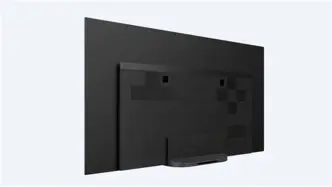
The day the A9G Oled arrived, I felt the excitement and slight anxiety that comes with unboxing something expensive. Right out of the box, the Oled panel was staggeringly thin—it felt fragile but also impeccably designed. Lifting and assembling it was a two-person job, so if you’re considering this TV, recruit a friend or be prepared for some logistical maneuvering.
Setup was surprisingly straightforward. I appreciated the clean cable management built into the back panel and the intuitive interface that guided me through Wi-Fi setup, account integration (for streaming services), and picture calibration. It only took about 30 minutes from unboxing to watching my first show.
Picture Quality: Why It Stands Out (And Sometimes Doesn’t)
Let me say this upfront: the picture quality is the single best reason to buy the A9G Oled. I’ve owned several LED and QLED TVs, but the jump to OLED felt immediately noticeable—especially with darker content. Blacks are truly black. When the screen fades out between scenes, the display actually disappears into my living room, something I didn’t think was possible with previous TVs.
Motion handling was another pleasant surprise. Sports and high-action content look smooth, yet cinematic. I rarely noticed any judder or blur, which is impressive, considering how fussy I get about motion smoothing artifacts.
If there’s a flaw, it’s perhaps with peak brightness. In a totally sunlit room, ultra-bright LCDs still have a slight edge. Don’t get me wrong—the A9G can get bright enough for most purposes, but HDR content sometimes doesn’t “pop” as much as it does on the brightest high-end QLEDs, especially in direct sunlight.
Color accuracy, on the other hand, is phenomenal. I was especially impressed by the natural hues in skin tones—the detail and depth in high-quality movies completely surpassed my previous experiences. There’s a realism to the image that’s difficult to describe but instantly appreciated.
Discover deals on TVs & Home Theater — updated daily.
Browse Now →Sound Quality: Surprisingly Capable, But Not a Soundbar Replacement
I’ll be honest—I almost always use external speakers, but I made a conscious effort to live with the built-in sound system for several weeks. The “Acoustic Surface Audio” feature uses actuators to turn the screen itself into a speaker, which does result in surprisingly clear dialogue and decent spatial awareness. There’s even a real sense of left-to-right “movement” as audio follows on-screen elements.
However, bass feels a little soft, especially when compared to even an entry-level soundbar. Explosions and deep music notes lack that palpable rumble. For casual viewing it’s more than adequate, but if you want that cinematic “punch,” you’ll probably want to pair it with a dedicated audio system.
Smart TV Features and Remote: Smooth, Fast, and Intuitive
I had my doubts about Google’s Android TV platform, but I quickly changed my mind. The interface is less clunky than before, transitions are snappy, and it recognized all of my streaming subscriptions during setup. Voice search actually works, and the system learns your preferences when it comes to recommended content—sometimes even surfacing forgotten shows I meant to finish.
The remote is comfortable, responsive, and thankfully backlit. Shortcut buttons for popular streaming services quickly became part of my muscle memory, and I ha…
Gaming on the A9G Oled: Mostly Stellar, With a Few Caveats
As a pretty avid console gamer, my biggest concern was input lag. Happily, the A9G Oled handled it better than expected. In “Game” mode, input lag was low enough that I never felt hindered, even in fast-paced online shooters.
4K HDR games look absolutely outstanding—the inky blacks and seamless gradations make atmospheric titles (like “The Last of Us Part II”) genuinely immersive. There’s no major screen tearing or flicker, and color is rendered so well that even cartoony games look richer.
Where the A9G Oled lags behind newer models is in HDMI 2.1 features. It doesn’t have full variable refresh rate (VRR) support or 4K/120Hz for the latest gaming consoles. Most people won’t mind unless they’re hardcore gamers after ultimate specs, but if you want to future-proof for next-gen devices, this is worth noting.
Day-to-Day Usability and Quirks I Noticed
Over several months, I’ve grown to appreciate little details: the instant-on feature means no warm-up time, the user interface rarely crashes, and switching between inputs is fast. The TV “remembers” which HDR or SDR settings I like for each input, which is a subtle but genuine time-saver.
Looking for the best TVs & Home Theater deals on Amazon?
Shop Amazon →One downside most reviewers gloss over is the Oled’s vulnerability to image retention or burn-in. I haven’t experienced serious burn-in, but after an extended session with static news tickers, faint traces lingered for a few minutes before fading away. If you mostly watch wide variety content, you’ll probably never notice, but if your viewing habits include lots of static UI or logos, this is something to keep in mind.
I’d also note the Oled panel’s reflective surface. In a dark room, it looks perfect, but with direct sunlight or a bright window behind you, there’s a risk of annoying reflections. With careful placement, I mostly avoid it, but apartments with big windows could present a challenge.
Comparison: A9G Oled vs Other Premium TVs
| Feature | A9G Oled | High-End QLED | A8H Oled (Previous Gen) | Budget LED |
|---|---|---|---|---|
| Black Levels | Perfect | Deep, but not true black | Perfect | Grayed blacks |
| Peak Brightness | Very high, but less than QLED | Exceptionally bright | High | Low-Medium |
| Color Accuracy | Exceptional | Very good | Excellent | Fair |
| HDR Support | Full (Dolby Vision, HDR10) | Full (HDR10+, Dolby Vision varies) | Dolby Vision, HDR10 | Limited |
| Response Time / Gaming | Excellent (but lacks VRR, 120Hz) | Very good (sometimes with VRR/120Hz) | Good | Poor |
| Smart TV Features | Android TV, robust apps | Varies by brand | Android TV | Basic |
| Pros | Stunning picture, great sound, premium build | Ultra-bright, less burn-in risk, cheaper | Similar picture, but older chip | Affordable |
| Cons | High cost, risk of burn-in, reflections | Worse blacks, less depth, sometimes poor uniformity | Slower smart features | Poor contrast, washed out |
Pros & Cons of the A9G Oled (From My Experience)
- Pros:
- Absolutely stunning picture quality—true blacks and lifelike color
- Excellent motion handling and minimal input lag
- Acoustic Surface Audio is genuinely effective for dialogue clarity
- Elegant design (thin profile and premium materials)
- Responsive user interface and robust smart features
- Cons:
- Very expensive, especially compared to high-end QLEDs
- Peak brightness is good, but not best-in-class (sunlit rooms can be challenging)
- Risk of burn-in if used with lots of static content
- Reflective panel can be annoying in daylight
- No true HDMI 2.1 features (like VRR or 120Hz for gamers)
- Audio, though good, doesn’t fully replace a dedicated sound system
Buying Guide: Is the A9G Oled Right for You?
Choosing an expensive OLED like the A9G isn’t for everyone. After spending time with it, I think it’s ideal for a few types of buyers:
- Movie and TV enthusiasts: You’ll appreciate the tech every single day, especially in a room where you can control light.
- Gamers: The low input lag is a real advantage, but you’ll want to check if next-gen gaming features like 4K/120Hz are critical for you. If so, you might want to look at newer models.
- Design-focused buyers: The ultra-thin panel and minimal bezels are genuinely stunning.
However, if you have a sun-drenched room, watch a lot of static content, or need the absolute maximum HDR brightness, you might find a high-end QLED or Mini-LED set more flexible (and often more affordable). Personally, the viewing experience at night is so transformative that I find myself revisiting old favorite films just to see how they look on the A9G.
Conclusion: The Hype Is (Mostly) Justified
After months of use, I can see exactly why so many people are choosing the A9G Oled. The picture quality really is peerless in the right environment, and little touches—like the acoustic screen and fast smart features—make it a joy to live with. It’s not flawless: the price is steep, and you have to be aware of things like burn-in and reflections. But for movie nights, gaming, and anyone who prizes visual immersion, it’s one of the best investments I’ve made in my home.
This review isn’t sponsored, and no one gave me a discount—this is exactly what I’ve experienced, the good and the bad. If you’re considering the leap into OLED, and especially the A9G, I can say it’s mostly lived up to expectations and then some.