The Truth About the Mdr Xb950B1 Wireless: Pros, Cons, and Verdict
Introduction
The Sony MDR-XB950B1 Wireless occupies a recognizable place in the market of over-ear headphones: a model that trades subtlety for impact. Marketed under Sony’s “Extra Bass” lineage, these headphones promise a powerful low end and a comfortable, consumer-friendly package at a mainstream price point. For readers shopping in the Audio category, the key questions are straightforward: how do these headphones perform across everyday use cases—commuting, working, exercising, gaming—and what trade-offs do buyers accept in exchange for that emphasized bass and accessible feature set?
This article examines the MDR-XB950B1 with an editorial lens, breaking down design, comfort, sound signature, connectivity, and real-world performance. It offers an objective pros & cons list, a comparison with a couple of representative alternatives, a focused buying guide that highlights what buyers typically care about, and a final verdict that places the headphones in practical context.
Product Overview and Analysis
Design and build
The MDR-XB950B1 presents a large, over-ear form factor with bold styling consistent with models in Sony’s Extra Bass family. The construction typically combines matte and glossy plastics with metal reinforcements in the headband. That approach keeps weight reasonable while maintaining a perceived solidity. The ear cups rotate and fold inward, improving portability for storage in a backpack or briefcase.
From a durability perspective, these headphones feel well enough built for daily commuting and regular home use, though they are not indestructible. The plastics can show wear with heavy use over years, and the finish on the headband padding may compress. They are not IP-rated for sweat or water resistance, so those who prioritize intense workouts or wet-weather use should consider that limitation.
Comfort and fit
Comfort is a notable strength. Large memory-foam ear pads and a generously padded headband make extended listening sessions possible without immediate fatigue. The clamping force tends to land in the middle ground—secure enough for movement, yet not so tight that it becomes uncomfortable after an hour or two. Those with smaller heads may find the cups a little large, but the over-ear seal generally remains effective.
Listeners who wear glasses should find the pads forgiving, though extended sessions with thick frames can produce mild pressure on the temple. The headphones are better suited to desk work, travel, and casual listening than to vigorous exercise because of the lack of sweat protection and the bulkier sizing.
Sound signature and performance
Where the MDR-XB950B1 clearly differentiates itself is in its bass presentation. The Extra Bass tuning emphasizes low frequencies, producing punchy, impactful sub-bass and mid-bass that bring dynamics to electronic, hip-hop, pop, and action-movie soundtracks. For listeners who prefer a visceral listening experience—music that is felt as much as heard—this signature is gratifying.
That emphasis comes with trade-offs. Mids are often slightly recessed in the stock tuning, which can make lead vocals sit behind heavy bass in dense mixes. Treble is generally smooth and non-fatiguing, but it doesn't offer the extended sparkle or the resolving detail that critical listeners expect from reference or studio headphones. As a result, the MDR-XB950B1 is a compelling choice for entertainment listening and casual use, but less suitable for critical mixing, acoustic or classical music where midrange clarity and imaging matter most.
Soundstage and imaging are moderate. The over-ear enclosure provides a sense of size that feels immersive for movies and games, though it is not as open or precise as larger planar or open-back designs. Overall, the balance here is intentionally consumer-centric: fun and engaging sound rather than neutral accuracy.
Find top-rated Audio & Headphones products at great prices.
See Deals →Connectivity, battery, and features
The MDR-XB950B1 offers standard Bluetooth wireless connectivity for everyday use, typically supporting stable pairing and hands-free call functionality via an onboard microphone. The headphones also provide a wired 3.5mm option, which is useful when conserving battery or connecting to devices without Bluetooth.
Battery life is designed to support portable use—advertised figures from the series historically indicate roughly a full day of listening under typical conditions. In practice, runtime depends on volume, codec efficiency, and whether features like microphone use are active. Charging time and actual endurance vary by usage pattern, but the model is oriented toward all-day convenience rather than marathon endurance recordings or the multi-day uptime of some modern flagship ANC cans.
These headphones do not offer active noise cancellation (ANC). Instead, passive isolation from the ear cup fit reduces ambient noise somewhat, but not to the level of dedicated ANC headphones. For commuters in noisy environments who consider ANC essential, this is an important limitation.
Call quality and microphone
Call performance is serviceable for casual phone and video calls. The built-in microphone captures voice clearly in quiet environments. In louder environments—busy streets or transit—microphone clarity reduces, and background noise can intrude. Buyers who prioritize hands-free calling in noisy conditions will find better performance in models with advanced beamforming microphones and noise-reduction technology.
Real-World Use Cases and Buyer Concerns
Different listeners choose headphones for different reasons. Below are typical buyer profiles and how the MDR-X…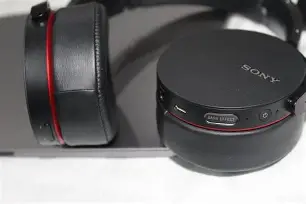
- Commuters and casual travelers: The foldable design and comfortable pads make them a comfortable travel companion. Passive isolation helps, but the lack of ANC may limit comfort on very noisy trains or airplanes.
- Fitness-oriented listeners: The lack of sweat resistance and bulkier build make them a less ideal gym companion compared with sport-specific in-ear or on-ear models.
- Movie and gaming enthusiasts: Deep bass and impactful low-end render explosions and cinematic scores with satisfying weight. Imaging is adequate for immersive entertainment, even if not competitive for precise positional audio in esports.
- Casual music listeners: For genres that benefit from strong bass—hip-hop, EDM, pop—the MDR-XB950B1 delivers the characteristic “fun” sound many buyers want.
- Audiophiles and studio professionals: Those seeking a neutral reference for mixing or critical listening will likely prefer flatter, more revealing models.
Pros & Cons
- Pros:
- Powerful, punchy bass that makes contemporary music and movies feel engaging
- Comfortable over-ear design suitable for extended listening sessions
- Foldable and reasonably portable for storage and travel
- Wireless convenience with wired option for flexibility
- Good value for buyers prioritizing bass-forward sound
- Cons:
- Bass-heavy tuning can overshadow vocals and midrange detail
- No active noise cancellation—passive isolation only
- Not sweat- or water-resistant, limiting suitability for workouts
- Microphone and call quality are average in noisy environments
- Construction uses plastics that may show wear over time
Comparison
To provide context, the table below compares the MDR-XB950B1 with two commonly considered alternatives: a comparable Sony Extra Bass sibling and a popular studio-style wired headphone. This highlights where the XB950B1 sits in the landscape rather than producing a definitive “best” label—suitability depends on listener priorities.
| Model | Sound Signature | Wireless | Isolation / ANC | Comfort | Best For |
|---|---|---|---|---|---|
| MDR-XB950B1 | Bass-forward, warm mids, smooth treble | Yes (Bluetooth) + wired option | Passive isolation (no ANC) | High—thick ear pads, padded headband | Pop/EDM/hip-hop, movies, casual listening |
| Sony (Extra Bass sibling) | Similar bass emphasis; newer models may add ANC | Yes (newer variants have improved codecs) | Some newer Extra Bass models include ANC | Varies by model—often similar | Users who want bass with modern features like ANC |
| Audio-Technica ATH-M50x | Neutral to slightly warm; detailed mids | No (primarily wired) | Passive isolation only | Good—clamping force can be tight for some | Studio monitoring, critical listening, balanced music |
Buying Guide: How to Decide if the MDR-XB950B1 Is Right
When considering the MDR-XB950B1, buyers should weigh the following factors. These reflect common priorities observed among headphone shoppers and address practical questions people ask before purchase.
1. What genres and content will be listened to most?
If the primary listening is bass-driven music (hip-hop, EDM, trap) or movie soundtracks, the XB950B1’s tuning is likely very satisfying. For acoustic, classical, or vocal-forward music, a flatter-sounding headphone will preserve nuance and clarity.
2. Is active noise cancellation important?
These headphones do not include ANC. For commuters and frequent flyers who value passive and active noise blocking, models with ANC are a better choice. If ambient noise in daily use is moderate and the user relies on volume and pad isolation, the XB950B1 can still be acceptable.
Shop the latest Audio & Headphones picks on Amazon.
View Offers →3. How important is wireless convenience and battery life?
The wireless capability provides flexibility for on-the-go use. For long trips or multi-day travel where charging opportunities are limited, verify expected runtime from product specs and consider whether spare charging or a wired fallback will be sufficient.
4. Are calls and microphone quality critical?
If frequent calls in noisy settings are essential—mobile professionals or frequent teleconferencing—seek headphones with advanced microphone arrays and noise suppression designed for hands-free clarity. The XB950B1’s mic is suitable for quiet environments but not a standout in busy places.
5. Comfort and fit for long sessions
Try to test the headphones for at least 15–30 minutes if possible. The thick pads and forgiving headband generally make the XB950B1 comfortable for long listening sessions, but head shape, glasses, and personal preference play a big role.
6. Portability and durability
The folding design enhances portability, yet the model’s bulk makes it less ideal than compact on-ear or in-ear options for travel. Consider carrying case dimensions and how often the headphones will be transported.
7. Sound customization and EQ
For listeners who want to tame the bass or bring mids forward, using a device-level or app-based equalizer can improve balance. The Extra Bass character is not fixed—EQ adjustments can make the headphones more versatile if the user is comfortable tweaking settings.
Shopping tips
- Listen with familiar tracks: bring 2–3 favorite songs that reveal bass, midrange, and treble traits.
- Try both wireless and wired modes if possible to compare fidelity and latency for gaming or watching video.
- Check the warranty and return policy: comfort and sound preferences are subjective, and a reasonable return window reduces risk.
- Consider used or refurbished options if budget is primary; inspect pads and headband for wear.
Conclusion
The Sony MDR-XB950B1 Wireless is a product with a clearly defined personality: it delivers pronounced, entertaining bass in a comfortable and portable over-ear package. For buyers seeking energetic low-frequency impact for modern music and cinematic content, it represents a sensible, value-oriented option. However, that same emphasis on bass, combined with the absence of ANC and average microphone performance, delineates its limits. Listeners who prioritize a neutral sound for critical listening, advanced noise cancellation for heavy travel, or rugged sweatproof construction for workouts should evaluate alternatives tailored to those needs.
Ultimately, the MDR-XB950B1 is best seen as a specialized tool rather than a one-size-fits-all solution. It excels when a fun, bass-forward presentation is the primary objective and when the listener values comfort and convenience in everyday listening. For those buyers, the verdict is clear: these headphones offer a satisfying, visceral listening experience at a mainstream price—but with trade-offs that are worth factoring into the final decision.