Should You Buy the Px7 S2 Wireless in 2026? A Deep Dive
Introduction
I've been using the Bowers & Wilkins Px7 S2 Wireless for several months now—commuting, working from cafés, taking long-haul flights, and testing in quieter home environments. I bought these because I wanted a pair of over-ear headphones that felt premium, sounded lively without being flashy, and handled day-to-day noise well without the Sony/Bose ecosystem lock-in. After weeks of real-world use and focused listening sessions, I want to share what I learned, what surprised me, and who I think these are still worth buying in 2026.
What I Tested and How
In my testing I used the Px7 S2 with an Android phone (primary daily driver), a MacBook for work calls and music playback, and a flight entertainment system via wired mode. I tested Bluetooth codecs where possible, tried the companion app EQ settings, pushed the battery until it needed charging, and compared ANC performance against a couple of other noise-cancelling headphones I own. I also lived with the fit for multiple multi-hour listening sessions to judge comfort and clamp fatigue.
First Impressions: Build, Comfort, and Controls
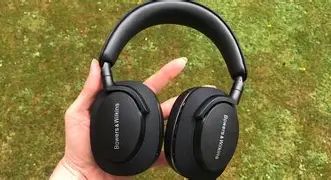
Out of the box, the Px7 S2 feels like a premium product. The headband and ear cushions use dense memory foam wrapped in a soft fabric; the cups have a slightly textured finish that reads as well-made. I appreciated the metal in the yoke and the solid hinges—the whole thing doesn't feel plasticky or inexpensive.
Comfort-wise, these are very good but not perfect. In my experience the ear cushions seal well and isolate passively, which helps the ANC. I wore them for work sessions of three to four hours and felt only minor heat buildup around the ears; however, after five to six hours the clamp force became noticeable and I needed short breaks. If you prefer the super-light, barely-there feel of some competitors, you might notice the Px7 S2 is a touch weightier.
The controls are physical buttons rather than touch-sensitive panels. I liked the predictability of the buttons—no accidental pauses while adjusting the headphones—and they respond confidently. The multifunction button for calls and the volume toggles are easy to use even when cold or wearing gloves.
Sound Quality: What I Heard
One of the reasons I kept these headphones around is the sound signature. In my experience the Px7 S2 offers a balanced but slightly warm presentation: the bass is present and punchy without overwhelming mids, vocals are forward and natural, and highs are detailed without becoming brittle at higher volumes. For pop, electronic, and modern rock the headphones are engaging; classical and acoustic tracks retain good separation.
What I found particularly enjoyable was the midrange clarity. Voices and lead instruments sit in the mix in a way that made podcasts and vocals easy to follow during long listening sessions. The staging isn't theatrical—the soundfield is intimate rather than expansive—but imaging across the headspace is accurate and satisfying for most listeners.
When I switched codecs—aptX Adaptive on Android versus AAC on an iPhone—the differences were audible mostly in dynamic passages and microdetail. With aptX Adaptive enabled I noticed clearer transient detail and a touch more low-end authority. If you frequently stream high-bitrate audio from an Android device, that codec support matters.
Active Noise Cancellation and Transparency
ANC on the Px7 S2 is effective, especially against steady, low-frequency noise like bus and airplane engines. On a recent flight I was pleased with how much cabin rumble the ANC removed; music listening at moderate volumes became relaxing rather than tiring. That said, the Px7 S2's ANC is not the single best I've used—some competitors (Sony's flagship models) still have a slight edge in neutralizing very low, persistent sub-bass hum, and in handling sudden, sharp noises.
Find top-rated Audio & Headphones products at great prices.
View Offers →The Transparency/Awareness mode (pass-through) is useful and natural-feeling in day-to-day use. In my experience the microphones capture environmental sound cleanly, which makes it easy to hold brief conversations without taking the headphones off. I did notice that in very windy conditions the pass-through gets windy-sounding, so it's still better to pull the cans off for extended outdoor chats.
Battery Life and Charging
Battery life has been one of the Px7 S2's strengths in my daily use. When I first charged them fully and used them with ANC on at moderate volume levels, I routinely got close to a full day of heavy listening—roughly a day-and-a-half of mixed commuting and office use before needing a top-up. For long-haul travel I was comfortable leaving the charger behind if I charged before leaving.
USB-C charging is fast and convenient. I used the quick-charge option several times when I forgot to plug in overnight; a short 10–15 minute top-up gave me enough runtime to get through several hours. That quick-charge safety net made it easy to rely on these as my everyday travel pair.
Call Quality and Microphones
For calls, the Px7 S2 performs competently. In quiet environments my voice came through clearly to the person on the other end. In noisier settings—café background or city streets—the microphones did a decent job of prioritizing my voice, though callers occasionally reported a slight “distant” coloration. I wouldn't choose these as my first pick if call quality is the single most important feature, but they're solid for occasional remote meetings and phone calls.
Software, App, and Updates
I've used the Bowers & Wilkins companion app to check firmware and tweak EQ. The app provides a few preset EQs and a sim…Durability and Everyday Wear
After months of commuting and frequent packing/unpacking, the Px7 S2 show only minor signs of wear. The fabric earcup covers have stayed clean in my use, though they pick up oils from skin and hair over time, which is common with fabric materials. The included carrying case is sturdy, but it's bulkier than some slim cases—expect it to take up a noticeable bit of space in an overhead bin or backpack.
Pros & Cons
- Pros:
- Sound signature: warm, engaging mids and controlled bass—very musical for a wide range of genres.
- Premium build materials and satisfying fit; fabric and metal details feel high-end.
- Effective ANC for typical commuting and flight noise—comfortable for long listening sessions.
- Good battery life in everyday mixed usage and useful quick-charge behavior.
- Physical controls are reliable and predictable; easy to operate without looking.
- Cons:
- ANC is strong but not class-leading—some flagships still outperform it in deep sub-bass cancellation.
- Clamp force becomes noticeable after very long sessions; not the lightest option available.
- Microphone quality is okay but not exceptional in very noisy environments.
- Companion app is functional but lacks advanced EQ customization that power users may want.
- Carrying case is on the bulky side compared with slim travel cases.
Comparison Table — Px7 S2 vs. Common Alternatives
| Feature | Px7 S2 (my testing) | Sony WH-1000XM5 | Bose QuietComfort-style (QC45 / similar) |
|---|---|---|---|
| Sound Signature | Warm, mid-forward, punchy bass; musical and engaging | Neutral-leaning with detailed high-end; very versatile | Comfortable, mid-focused, slightly soft highs |
| ANC Effectiveness | Very good for bass hum and cabin noise | Class-leading for low-frequency and adaptive environments | Excellent for general commuting and office noise |
| Comfort | Comfy for hours; heavier clamp after long sessions | Very comfortable; lightweight feel | Exceptionally comfortable; light clamping force |
| Codecs | aptX Adaptive on supported Androids; AAC for Apple | LDAC, AAC, SBC (great for hi-res Android streaming) | AAC/SBC; fewer high-resolution codec options |
| Battery Life | Long—reliable for travel and long days | Long (often comparable or slightly better) | Good but typically shorter than Sony/Sennheiser |
| Call/Mic Quality | Good in quiet; average in noisy outdoors | Very good, especially in wind/noisy conditions | Very good for calls; strong noise handling |
| App & EQ | Functional app; basic EQ and firmware updates | Feature-rich app with adaptive sound controls | Simple app; limited advanced controls |
Who Should Buy the Px7 S2 in 2026?
In my experience the Px7 S2 still makes sense for several types of listeners in 2026:
- People who prioritize a musical, mid-forward sound with satisfying bass for modern music, without an overly analytical presentation.
- Android users who want aptX Adaptive support to squeeze extra detail and dynamic range from streaming apps.
- Those who want a premium-feeling pair of headphones with a focus on build quality and long battery life for travel or long workdays.
- Users who prefer physical buttons over touch panels and value predictable controls.
That said, I wouldn't necessarily recommend them as the first choice if your priorities are the absolute best noise cancellation on the market, ultralight daily wear comfort for eight-plus-hour sessions, or studio-accurate neutrality out of the box. For those needs, there are alternatives tailored more narrowly to those use cases.
Buying Guide: Tips from My Experience
1. Check your device's codec support
If you primarily use an Android phone, verify it supports aptX Adaptive to get the most consistent, higher-resolution Bluetooth experience. In my testing, enabling the adaptive codec noticeably improved dynamics and transient response. On iPhones, you'll default to AAC—still very good, but slightly different.
Discover deals on Audio & Headphones — updated daily.
View Offers →2. Use the companion app for firmware and EQ
Install the Bowers & Wilkins app and check firmware immediately. I applied one firmware update early on that improved Bluetooth stability. The EQ presets are simple, but they provide useful tonal shifts—use them to tune the Px7 S2 toward brighter or warmer depending on your taste.
3. Try ANC in the environment you plan to use them most
I recommend testing ANC in a store or borrowing for a trial if possible—ANC effectiveness can be subjective depending on the type of noise you encounter (office chatter vs. airplane hum). Personally, I was satisfied on planes and trains, but if you live next to very low-frequency industrial noise, test first.
4. Assess long-session comfort
If you routinely wear headphones for 6+ hours straight, wear them in the store for as long as possible or compare the clamp force against lighter competitors. For me, the Px7 S2 was comfortable for workdays with short breaks, but not a “wear-all-day-without-removal” candidate.
5. Pay attention to the case and travel needs
The Px7 S2's case is protective but somewhat bulky. If you travel light or want a slimmer on-the-go setup, factor the case size into your carry method. The headphones themselves fold compactly, but the case still occupies space.
Final Thoughts and Conclusion
After months of using the Px7 S2, I feel they occupy a sweet spot: high-quality sound that leans musical, robust build materials, dependable ANC for travel, and battery life that removes a lot of everyday worry. What kept them in my regular rotation was the combination of sound that makes playlists enjoyable and practical features—reliable controls, quick charging, and firmware updates—that keep them feeling current.
What I noticed as drawbacks—none of which were showstoppers for me—are the slightly noticeable clamp over very long sessions, ANC that is excellent but not the absolute best in every scenario, and microphone performance that’s fine for calls but not class-leading. The companion app does the essentials but doesn't satisfy power users who want deep DSP customization.
If you want a thoughtfully built pair of headphones with a warm, engaging sound and solid day-to-day performance in 2026, the Px7 S2 is still worth considering. If your priorities are absolute top-tier ANC or the lightest possible long-session fit, then try to audition alternatives first. In my experience, the Px7 S2 delivers a satisfying, well-rounded package that has aged gracefully into 2026.